
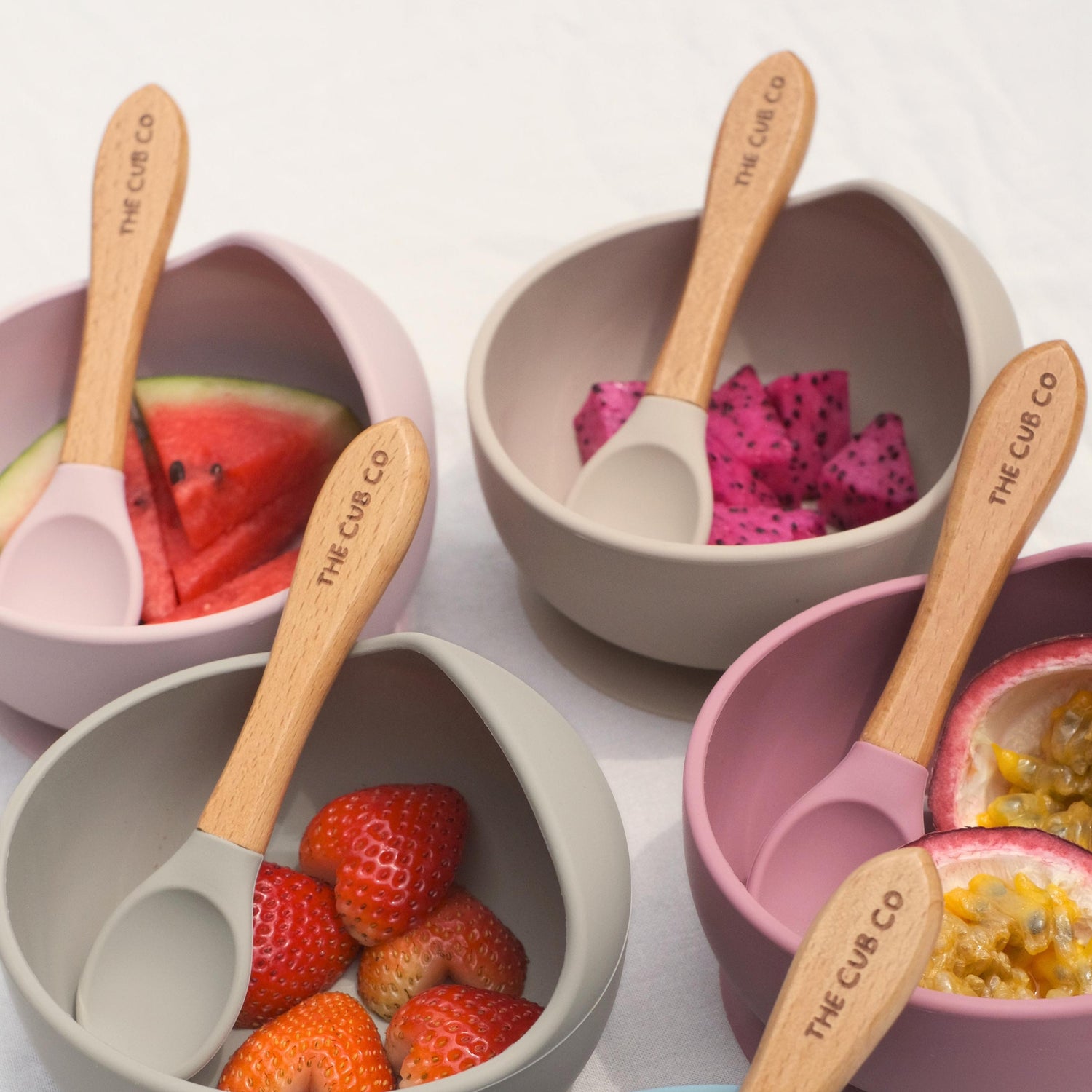
"Kid-friendly" is one of those phrases that gets used for nearly everything these days.
Usually it means bright colours, oversized handles, or something covered in cartoon animals. And while there's nothing wrong with things being playful, thoughtful design for children should really go a bit further than simply looking child-friendly.
Because children don't just use products. They properly put them through it.
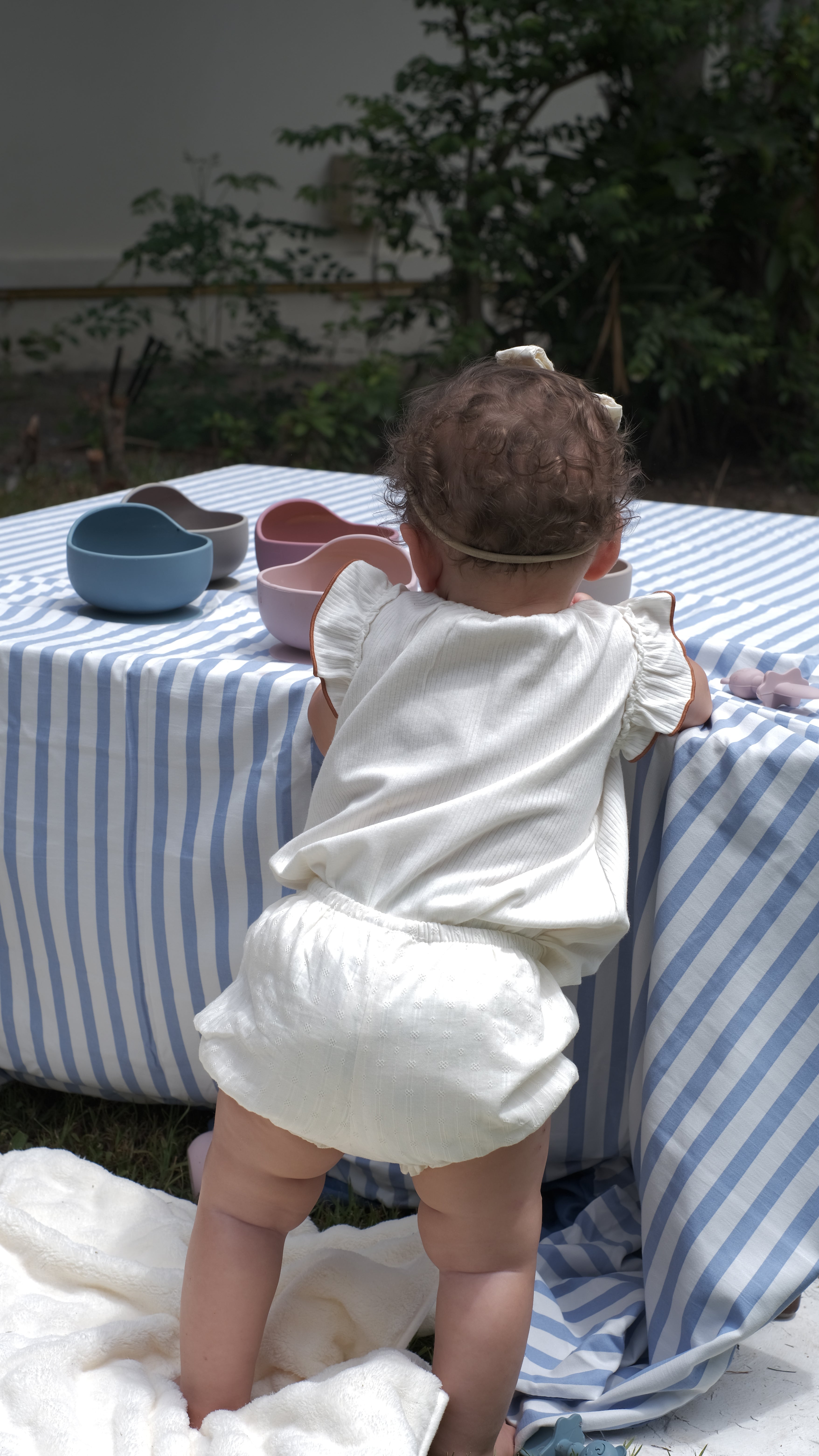
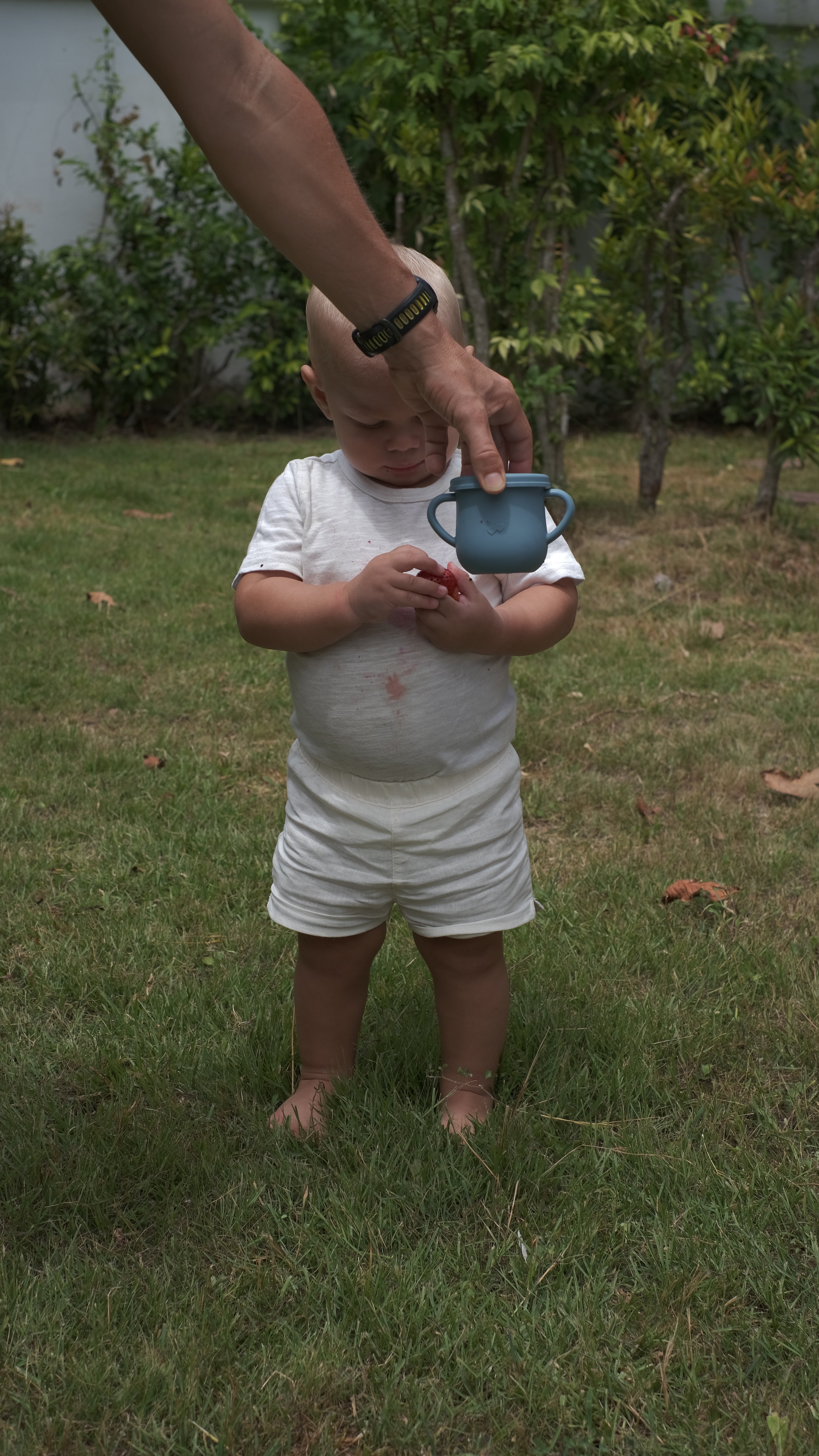
They chew on cups. Throw spoons overboard repeatedly. Drop bowls onto hard floors without a second thought. They use things in wonderfully chaotic ways adults would never consider, which means good design has to work with real childhood rather than against it.
That's where thoughtful design quietly makes all the difference.
It's not about adding more features for the sake of it. In fact, the best-designed children's products are often the simplest ones. Things that feel easy to use without needing instructions or constant careful handling.
A bowl that actually stays put on the table.
A spoon small enough for little hands to grip properly.
Materials that feel safe enough to use every single day without overthinking them.
Small details, really. But they matter.
And parents notice it immediately when something has been designed properly. Not in a flashy way, more in the sense that life feels slightly easier. There's less frustration, less cleaning up after preventable spills, less wondering whether a product will survive the week.
Thoughtful design also considers longevity.
Children grow quickly, and the things they use daily should be able to grow alongside them rather than needing replacing constantly. Durable materials, practical shapes, and products that hold up to repeated use aren't just convenient, they make everyday routines feel calmer too.
The material itself matters as well, perhaps more than people realise.
Children interact with their tableware constantly. They touch it, chew it, and use it multiple times a day without thinking twice about it. That's why many parents are becoming more aware of what everyday products are actually made from, not from fear, but simply from wanting better choices where possible.
And honestly, that's what thoughtful design should do.
It should quietly remove some of the mental load. Parents already have enough to think about without researching every plate, cup, or spoon they bring into the house.
Good design doesn't demand attention constantly. It simply works.
It survives drops. Cleans easily. Feels comfortable in small hands. Looks calm in the home without feeling overly precious. And most importantly, it allows children to get on with the important business of being children, messy, curious, distracted, and entirely themselves.
Because truly thoughtful design isn't really about making products look better.
It's about making everyday life feel better.

Leave a comment
This site is protected by hCaptcha and the hCaptcha Privacy Policy and Terms of Service apply.